

📈 The Coach Comeback: 3 Power Plays for Long-Term Brand Equity
From Suburban Outlet Staple to Gen Z Icon: How to De-Formalize Luxury and Win
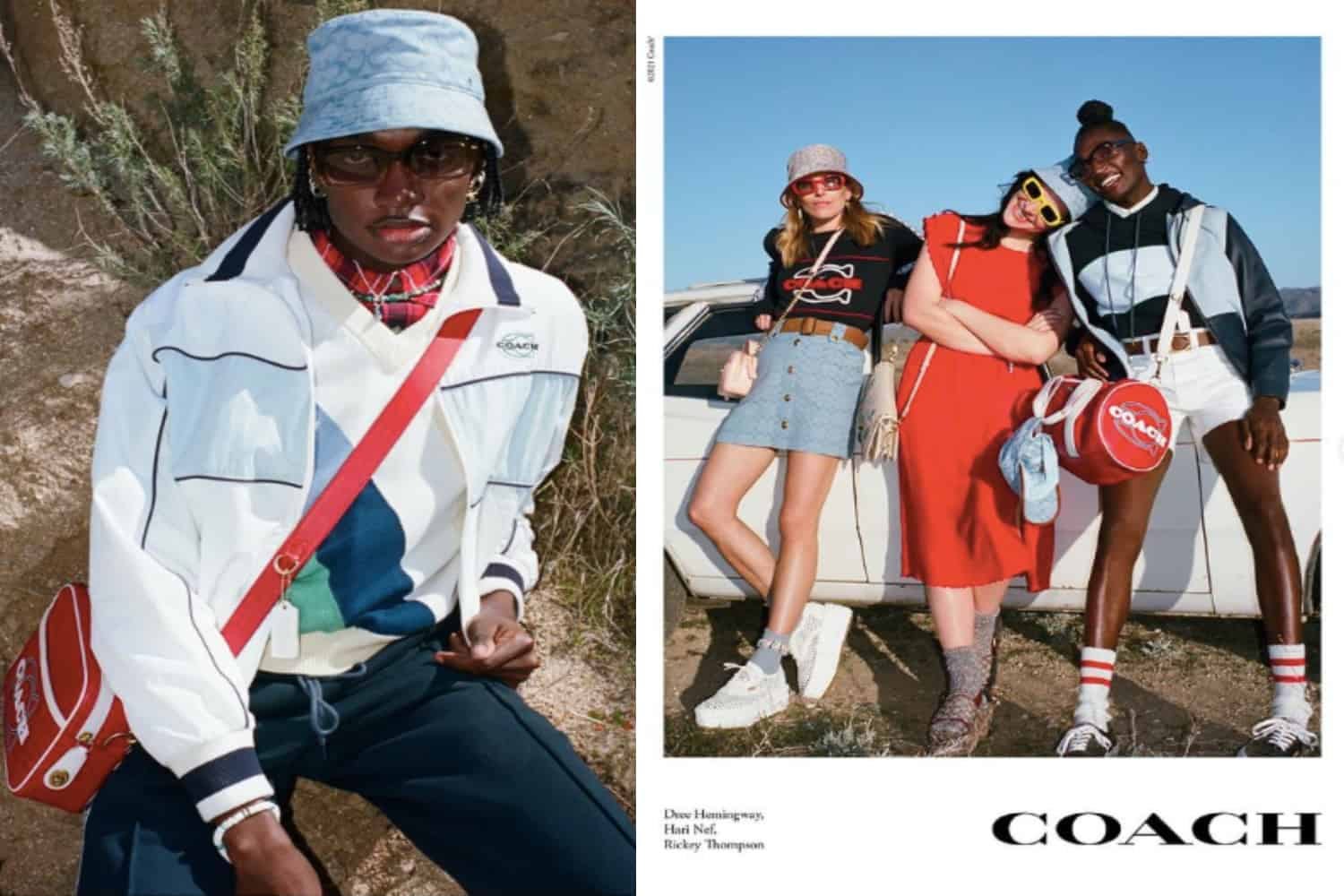
In the early 2000s, Coach was a brand in a quiet free-fall. It had lost its seat at the “cool table,” relegated to a polarized demographic: the very young (learning the value of a “first” quality bag) and the very old (prioritizing utilitarian function over form).
It was the quintessential suburban outlet brand—accessible, functional, but culturally invisible.
But as a strategist, you know that a “loss of cache” is actually the perfect springboard. When you have no good faith left to lose, you have the freedom to experiment. Today, the results are in: Tapestry Inc. (Coach’s parent) reported a record $7 billion in revenue for FY 2025, fueled by double-digit growth at Coach. According to Piper Sandler, Coach is now a top-three favorite handbag brand for the most elusive demographic: Gen Z.
How did a brand founded in 1941 hack the 2026 algorithm? Here are the three power plays that saved the house. (Btw this newsletter was inspired by the latest podcast episode.)
1. The “IRL” Inversion: Experiential Design as Lead Gen
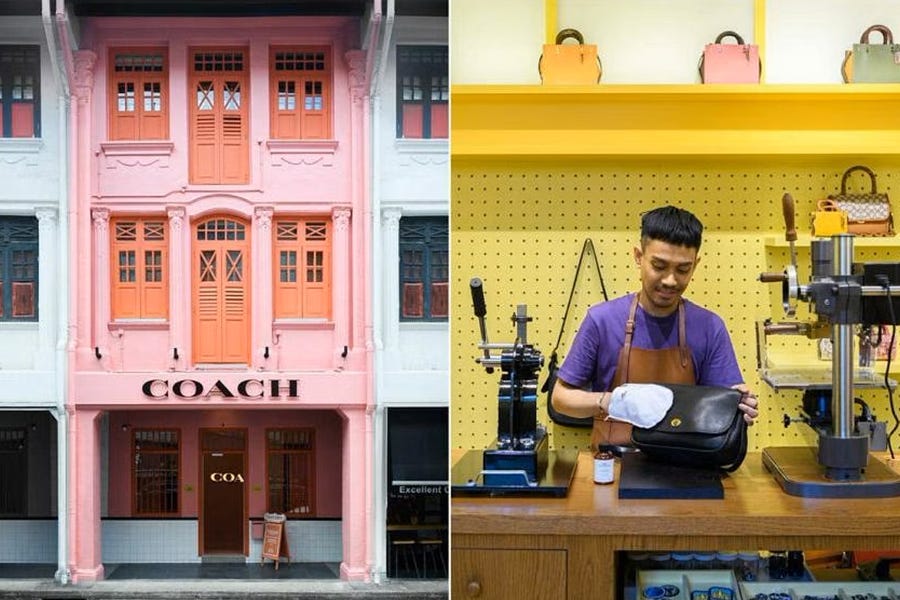
In a world dominated by the convenience of Amazon, Coach realized that ease of use is a commodity, but immersion is a luxury. They invested heavily in Coach Play concept stores—hyper-localized, interactive spaces in cities like Tokyo, Singapore, and Chicago.
The Goal: Move the needle from “Transaction” to “Destination.”
The “7-Dollar Coffee” Strategy: By opening cafes and restaurants (like those in Jakarta and Austin), Coach lowered the barrier to entry. A 21-year-old might not drop $450 on a Tabby bag today, but they will spend $7 on a brand-aesthetic coffee and share it with their followers.
The Result: This lowers the Customer Acquisition Cost (CAC) by building an emotional “social contract” with the consumer long before they make a high-ticket purchase.
2. Profit in the “Trash”: The Circularity Pivot
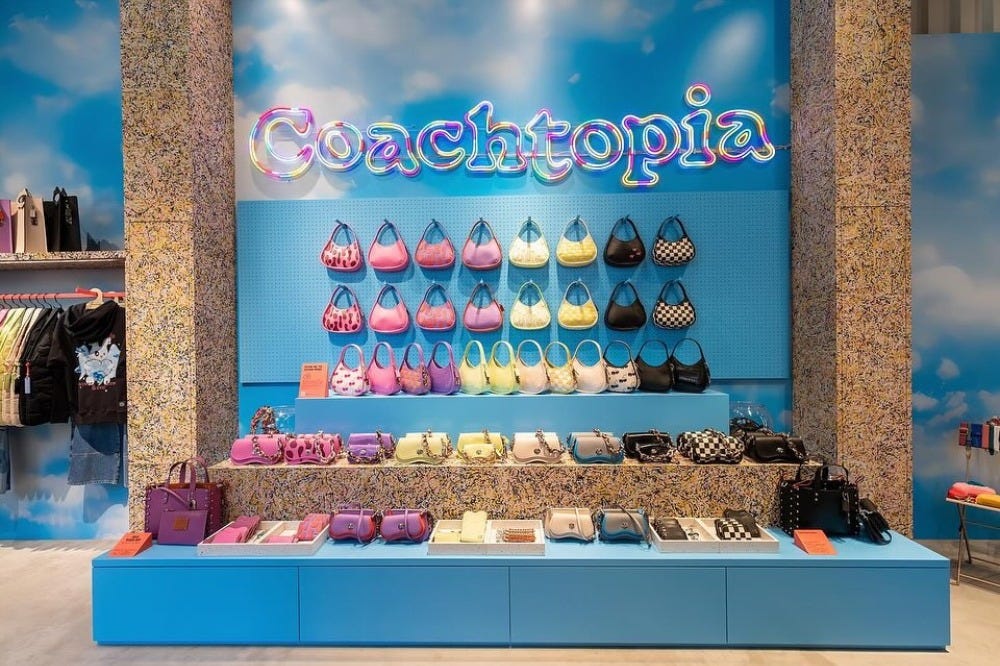
Gen Z is a walking paradox: they are the most sustainability-conscious generation in history, yet they crave “newness” and “drops.” Coach bridged this gap with Coachtopia—a sub-brand designed for circularity.
Waste as Raw Material: Coachtopia uses leather scraps (essentially industrial “trash”) to create limited-edition pieces.
P&L Impact: This isn’t just PR; it’s margin recapture. These materials were already paid for in the production cycle. By turning waste into “scarcity-driven” drops, Coach is converting potential losses into high-demand revenue.
Secondary Market Capture: Through their (Re)Loved program, Coach is now competing directly with platforms like Depop and The RealReal. By refurbishing and reselling their own heritage pieces, they prove product quality and keep 100% of the resale profit in-house.
🔓 [PAID SUBSCRIBER ONLY]
The “Internal Influencer” P&L: Why Your Best Marketing is on the Sales Floor
The following section is available to paid subscribers. We’re breaking down the specific ROI of the “Employee-to-Influencer” pipeline and how Coach leveraged internal talent like Brandon Nguyen to generate over $21M in Earned Media Value (EMV) in a single year—outperforming traditional celebrity partnerships by 5x.
[Upgrade to Paid to read the full internal strategy]
