

The Beauty Reckoning, the Digital Grind and the Coolest American Shoe in China
dissecting the end of the billion-dollar beauty unicorn and why gas stations are the new restaurants
🌶 THE GIST OF IT
Welcome to your biweekly roundup of all the contemporary cool girl news that’s fit to print. We’re breaking down the untimely demise of a luxury beauty brand, the rise of gas station pizza and so much more.
Also inside: the shoe that China’s Gen Z can’t get enough of and a juicy book rec about the messy uncoupling of a young married couple.
Let’s go.
💄 Pat McGrath Labs: A Restructuring of Royalty
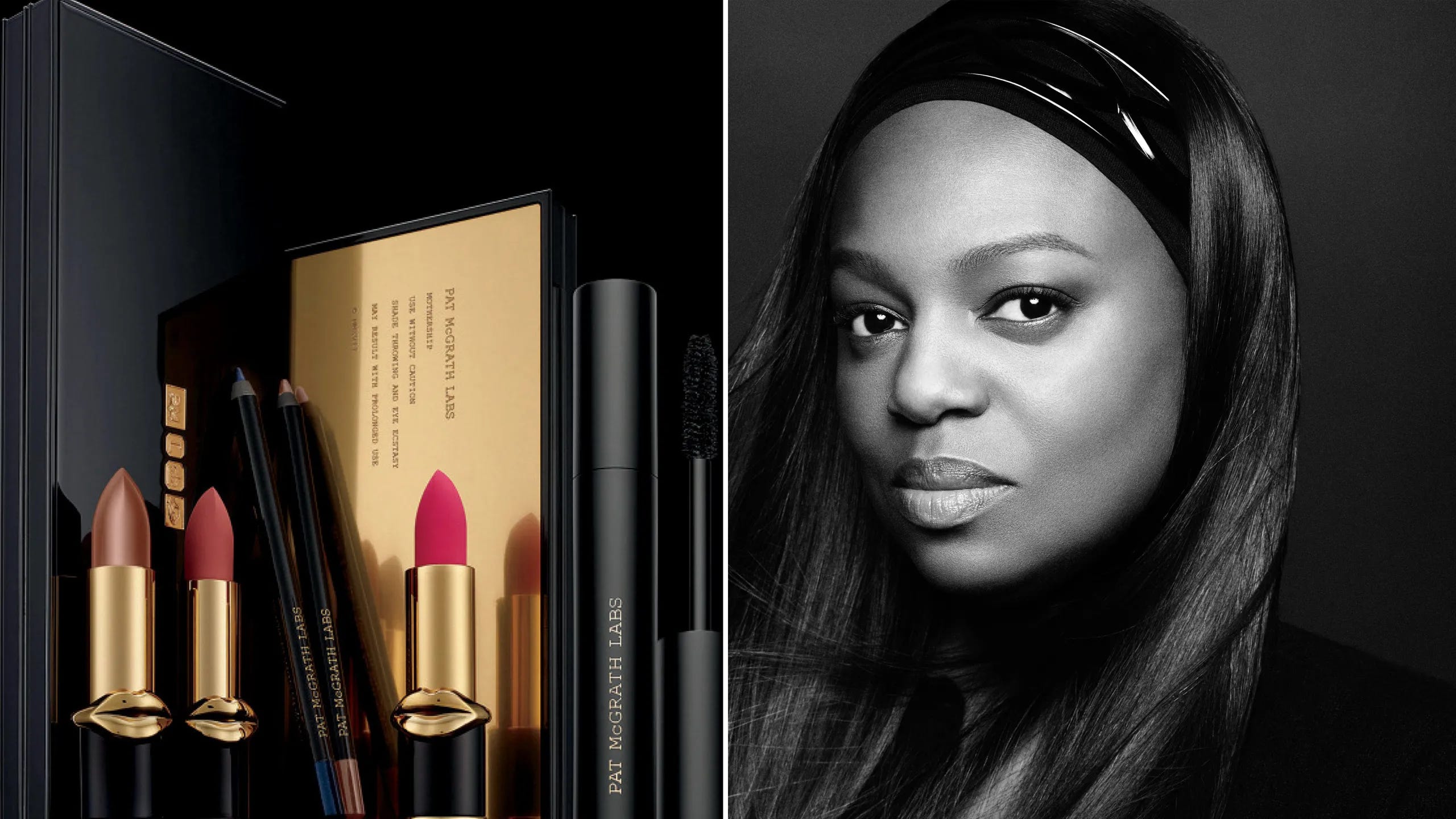
The Situation: The Pat McGrath bankruptcy filing on Jan 22, 2026, is a shocking development for a brand that appeared to be the industry leader in “High Glamour.” The filing reveals a tangled web of debt and a lender dispute that suggests the brand’s financial health was far more fragile than its shimmering social media presence indicated. In short: a staggering $50 million in liabilities and a bitter legal dispute with a primary lender that resulted in the abrupt cancellation of a scheduled asset auction. While McGrath herself continues to define the aesthetic of global runways, her namesake company is struggling to manage a massive debt load accumulated during a decade of rapid, VC-funded expansion. The brand is now in a race to restructure its operations and secure its supply chain before the "Mother" of makeup loses her grip on the retail landscape.
The Aesthetic Aftermath: This bankruptcy is a forensic look at the collapse of the "Prestige-Mass" bridge. Pat McGrath successfully brought high-fashion artistry to the aisles of Sephora, but the model relied on a constant, expensive cycle of "hype" that eventually hit a ceiling. The filing confirms that in 2026, pure artistic genius is no longer enough to counter the rising costs of customer acquisition and the predatory nature of high-interest private equity. For the cultured consumer, it is a sobering reminder that our favorite luxury brands are often fragile financial houses of cards, held together by shimmering pigment and increasingly thin margins.
🍕 Gas Station Pizza: The Quality Revolution
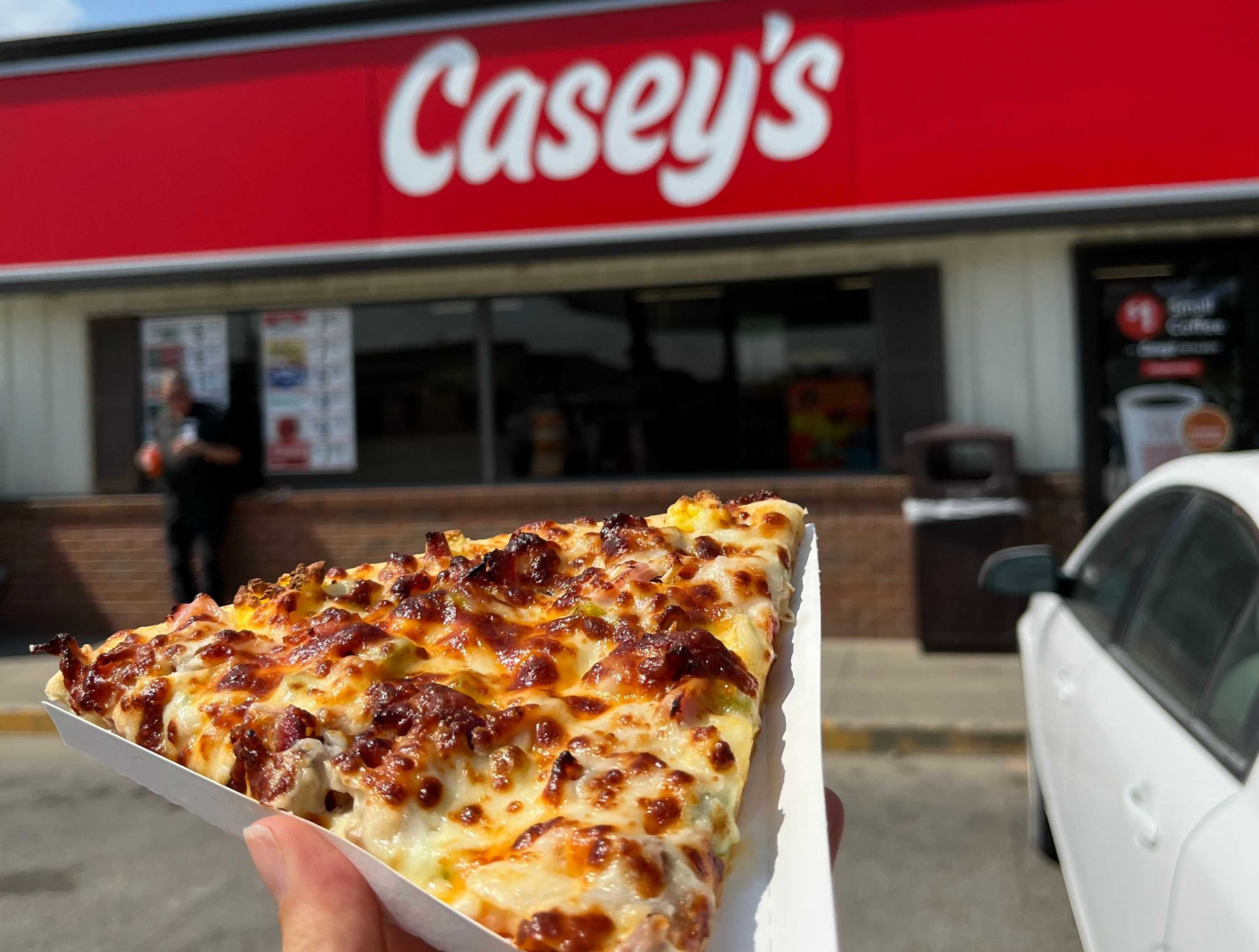
The Situation: The 2026 Pizza Power Report has issued a warning to independent pizzerias: the gas station is no longer a last resort. Chains like Casey’s and 7-Eleven have revolutionized their food programs with high-tech convection ovens and premium ingredient sourcing, offering a product that now rivals local artisanal shops. With lower overhead, 24/7 availability, and seamless app-to-pump ordering, “C-store pizza” has become a high-margin juggernaut that is capturing the “tired professional” market.
The Efficiency Verdict: This shift represents the “Democratization of Decent.” We are living in an era where the floor for food quality has been raised so high that convenience is now the deciding factor for the consumer. While we still appreciate the wood-fired, neighborhood gem, the sheer friction of ordering from an indie shop (long waits, clunky websites) is driving us toward the hyper-efficiency of the pump station. It confirms that in a high-stress economy, “good enough and fast” is winning the war against “perfect and slow,” forcing small businesses to innovate their technology or lose their lunch to the gas station.
🖥️ Microsoft Admits to the Rise of the “Infinite Workday”

The Situation: Microsoft’s 2025 Work Trend Index reveals a workforce reaching its breaking point, with employees trapped in a state of “digital debt.” The data shows a 16% increase in meetings held after 8 p.m. and a constant barrage of over 250 daily digital notifications per worker. With users being interrupted every two minutes by pings, the traditional workday has been replaced by a fragmented “infinite loop” where administrative triaging happens from the moment we wake up until the moment we sleep.
The Productivity Paradox: We were promised that technology would liberate us; instead, it has simply expanded the surface area of our availability. This “infinite workday” is a cognitive tax that is bankrupting our ability to perform “deep work” or engage in meaningful creative thought. For the high-achieving woman, this confirms that the “flexibility” of remote work has become a trap, turning our homes into 24-hour satellite offices. It is a cultural crisis masquerading as “connectivity,” forcing us to ask if we are actually producing value or just living in a perpetual state of administrative panic.
🩴 Crocs and the Comfort Revolution in China

The Situation: In a stunning reversal of fortune, Crocs has become a top-tier aspirational brand for Chinese Gen Z. By leaning into the “ugly-cool” aesthetic and creating platform versions of their classic clogs, the brand has captured a demographic that is increasingly prioritizing personal comfort over traditional elegance. The “Dongmen” (Chinese slang for Crocs fans) subculture has turned the act of wearing Crocs into a social signal of “chill,” with consumers spending hundreds on “Jibbitz” to turn their shoes into wearable art pieces that are shared across platforms like Xiaohongshu.
The Functional Rebellion: This trend is a visual manifestation of “lying flat.” After years of performing high-effort luxury, Chinese youth are pivoting toward a brand that allows them to be literally and metaphorically “grounded.” The success of Crocs confirms that “irony” is the new currency of status. For the cultured consumer, it is a fascinating case study in how a brand can succeed by stopping its attempt to be “cool” and instead embracing its status as an oddball outlier. It proves that in 2026, the most radical thing you can do is wear a foam shoe to a high-end dinner.
📚 TT BOOK REC: This Is Where We Live by Janelle Brown
Janelle Brown’s This Is Where We Live is a piercing, almost uncomfortable examination of the "Creative Class" in Los Angeles, centered on a couple whose marriage is as structurally unsound as the subprime mortgage holding their mid-century bungalow together. Claudia, a filmmaker on the verge of obscurity, and Jeremy, an indie musician clinging to a fading bohemian dream, represent a specific type of urban professional who treats cultural capital as a replacement for financial literacy. As the 2008 housing crisis looms and their adjustable-rate mortgage begins its inevitable climb, Brown masterfully details how their shared domestic life dissolves into a series of petty resentments and moral compromises. The prose is sharp and satirical, perfectly capturing the aesthetic pretension of the "Silver Lake set" while grounding the narrative in the visceral terror of impending bankruptcy. It is an enticing and devastating look at the fragility of modern adulthood, proving that when the dream of homeownership becomes a trap, the people inside often become each other’s primary antagonists.
🧠 CULTURE CANDY (links to make you cool to talk to)
The Cruise Boom: Why Gen Z is Boarding the Ship- Younger travelers are ditching "curated" backpacking for the high-efficiency luxury of cruises.
Luxury Fatigue: Is LVMH Losing Its Luster?- Investors are turning cautious as Chinese growth slows and "status burnout" sets in.
The Analog Bag: Fashion’s Answer to Doomscrolling- TikTok’s latest accessory isn't a status symbol—it’s a Faraday cage for your phone.
🖤 UNTIL NEXT TIME...
The girls are holding out hope for true makeup artistry, hot food and motor oil can live in harmony, and Big Tech confirmed burnout is real. You? You’re watching it all and probably suddenly bored with your usual pizza place.
xx Jenn,
Thoughtful Threads
Your URL safe space for good taste and smart takesEnjoying the Thoughtful Threads newsletter? Please consider the following:
Giving this post a 💜 and sharing it with any other aesthetic over-thinkers you know!
Joining the party over on TikTok and Instagram (a work in progress but we’ll get there!)
Joining this community as a paid subscriber which helps support my work for less than a large coffee (or a one time coffee treat is fine!)
Sharing any interesting info/topics of interest/pictures of your furbabies to hithoughtfulthreads@gmail.com
Disclaimer
Some of the links in this newsletter may be affiliate links. This means that if you make a purchase through these links, I may earn a small commission at no additional cost to you. I only recommend products or services that I personally believe will add value to my subscribers. Your support helps keep this newsletter running and allows me to continue providing valuable content. Thank you for your support!
The "Productivity Paradox" section hit me deep. As a freelancer, it's even worse. My home is my studio, so it's hard to have a work-life balance without a physical separation.
I think it's fascinating, as someone very much not plugged-in to the real-time rises and falls of fashion trends, to learn about all of this. I love your perspective and how you explain the factors that lead to these changes. I've noticed a lot of trends leaning toward comfort or simplicity over couture and statement pieces, then making THAT lean look luxurious and high-end in itself bc that's how marketing works. I think it's refreshing (because I love how often-times the most iconic looks come from people who AREN'T trying to be trendsetters but just being themselves and enjoying their personal style journey) while also being a bit sad—only because I know part of why the pendulum swings that way is because people are bone-tired, over-worked, financially tapped, and trying to make the best of what they have.