

2026: The Year of Spiritual Alignment in Business
why purpose must finally outpace performance
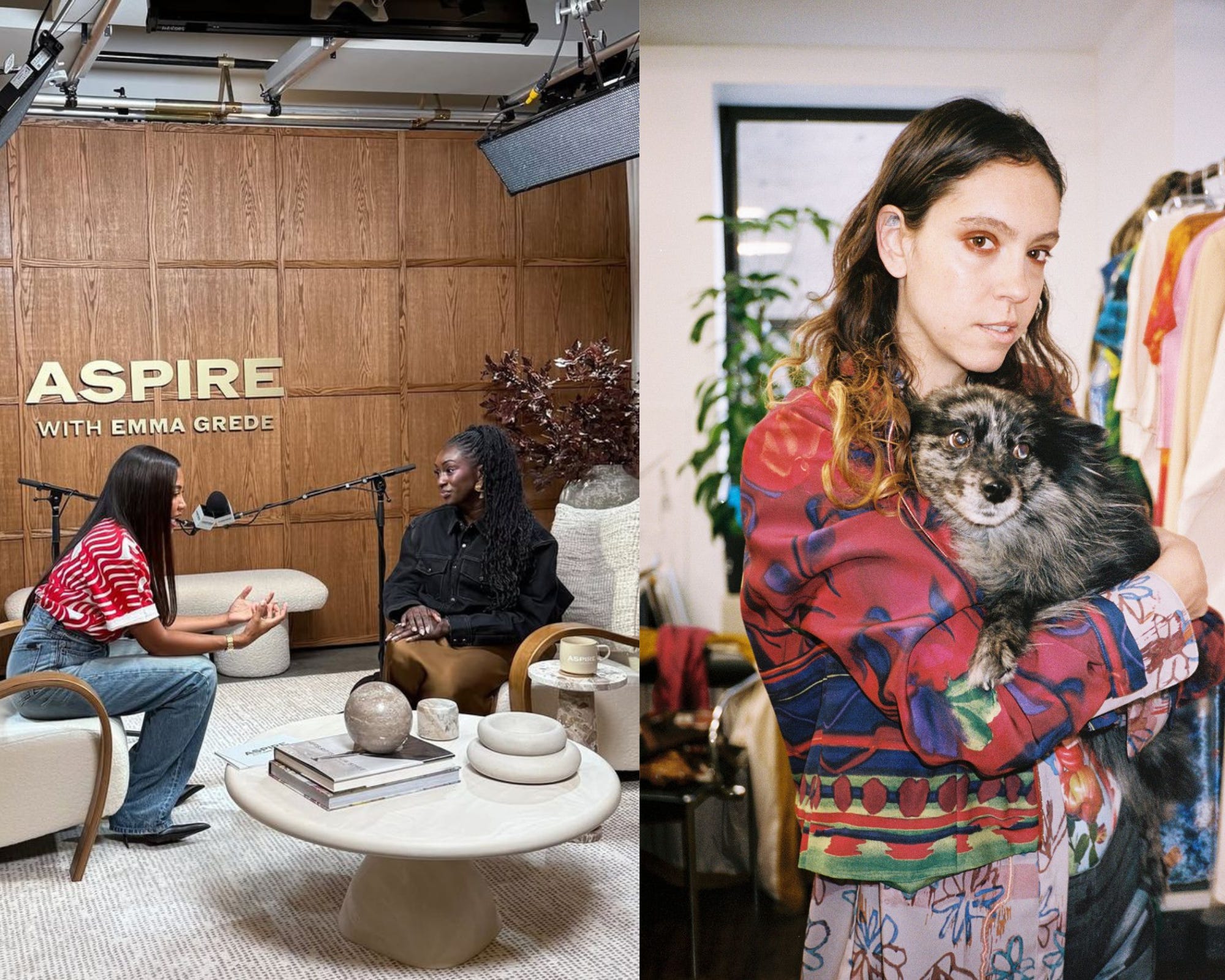
(This post is adapted from a previous podcast episode, “Ami Colé, Collina Strada & the Case for Big Small Business” which you can find on Apple and Spotify)
We are gathered here today to talk about something that might be a little polarizing, perhaps even upsetting or triggering, depending on where your sensibilities lie—but we are here to learn from the mistakes of others. I say “mistake” with all the love in the world, not in a shady way, but as a vital post-mortem for anyone interested in the proceedings of modern business. Today, we are discussing the untimely demise of the beauty brand Ami Colé.
Ami Colé was a brand that, on paper, should have been an untouchable success. Founded by Diarrha N’Diaye-Mbaye—a Senegalese American woman with an impeccable corporate pedigree including L’Oreal, Glossier, and time in the trenches as a Sephora sales associate—the brand was rooted in a heartfelt tribute to her mother. It launched officially around 2020, and in its short five-to-six-year run, it managed to achieve what most founders only dream of: a cult-like following that resonated in a way that felt deeply emotional rather than purely transactional.
The Oprah Effect and the Illusion of Infallibility
The brand’s trajectory was marked by the kind of high-octane visibility that usually signals a “check cashed” moment. We saw the write-ups in Allure, Essence, and Ebony, but the true peak was being named one of Oprah’s Favorite Things. Historically, that placement is the ultimate “out of here” ticket; it’s what put brands like Tory Burch on the map and propelled them into the stratosphere. With that kind of press and genuine word-of-mouth from tastemakers, the sky seemed to be the limit.
However, beneath the gloss and the “favorite things” fanfare, a much darker structural reality was at play. Despite the cult following and the visibility, Ami Colé was operating within the “VC Death Trap”. A lot of brands experiencing that right now were part of the 2020 financial windfall—a time when corporations, fueled by sudden guilt over their lack of partnership with Black communities, began throwing money at POC-owned brands to assuage their consciences and stay on the “right side of history”.
The $6 Million Dollar Miscalculation
In a recent interview with Emma Grede on the Aspire podcast, Diarrha confirmed the numbers that many of us suspected. Over multiple rounds of funding, the brand received roughly $6 million. To be blunt: that is nothing when you are trying to launch and scale a business on a grand, global level. It was a paltry sum thrown at a founder by rich people who wanted the optics of inclusivity without providing the actual capital required for success.
The silent villains of this story are the investors who demanded explosive growth for the five dollars they invested. When the brand was already in 250 Sephora doors—an insane feat for a young company—the investors were unsatisfied; they were pushing for 600. As Emma Grede noted, no one had the founder’s best interest at heart in that scenario. There is no way a new brand has the working capital or the operational energy to scale to 600 doors in just four years. It wasn’t sustainable, and it led to the aggressive burnout of the very thing that made the brand special.
The VC Graveyard: From Ami Colé to Nasty Gal
This isn’t just an Ami Colé story; this is the story of the VC graveyard. We saw it years ago with Nasty Gal, one of my favorite examples to cite when people question my skepticism of outside investments. Before Sophia Amoruso took outside investment, her business was $1 million cash positive through pure bootstrapping. That is the real success story that should have been on billboards. But our culture doesn’t find bootstrapping “sexy”. We want the shiny Silicon Valley office, the fancy board of directors, and the fuel-injection of cash that makes for a good Forbes cover.
But what happened when the “experts” with the credentials arrived? They treated Nasty Gal like a commodity—like sugar or tea—and ignored the element of love that built the community. They ran it into the ground, bought crappy merchandise, raised prices, and let the founder be the fall guy while the C-suite executives remained nameless. It is the same ego-driven cycle where we prioritize “brownie points” and external validation over a sustainable P&L.
The Alternative: Profit Over Growth
In contrast, let’s look at a brand like Collina Strada. Founded by Hillary Taymour in 2008, it is a brand that prioritizes whimsical, niche designs and sustainability over mindless scale. They are not chasing notoriety; they aren’t trying to be in every Nordstrom or Saks. They are strategic about wholesale and prioritize the direct-to-consumer (D2C) model where they actually keep their margins.
Collina Strada prioritizes profits over growth. They don’t have the “flash-in-the-pan” buzz of the VC-backed brands, and they might not be on the cover of Fast Company, but they have outlived almost everyone in the VC graveyard. They understand that the flame that burns twice as bright burns half as long.
Longevity is the New Luxury
The bigger picture is that we need to stop viewing VC funding as a badge of honor or legitimacy. Your brand is not less legitimate because it isn’t in 600 doors. If you are a D2C brand that has been cash-positive for ten years, you have achieved more than most people will ever do in business.
Purpose is greater than popularity; longevity is greater than hype; and private success is far greater than public applause. We need to move away from the idea that we have to be seen in certain rooms to be “legit”. If certain people don’t recognize the value of what you’re doing, it simply isn’t for them. Profitability is sexy. I’d rather you be cash positive and quietly doing your thing than be a “celebrated” brand that has never been profitable a day in its life. Let’s support the brands that respect moving at their own pace—and let’s have the courage to do the same.
Enjoying the Thoughtful Threads newsletter? Please consider the following:
Giving this post a 💜 and sharing it with any other aesthetic over-thinkers you know!
Joining the party over on TikTok and Instagram (a work in progress but we’ll get there!)
Joining this community as a paid subscriber which helps support my work for less than a large coffee (or a one time coffee treat is fine!)
Sharing any interesting info/topics of interest/pictures of your furbabies to hithoughtfulthreads@gmail.com
Disclaimer
Some of the links in this newsletter may be affiliate links. This means that if you make a purchase through these links, I may earn a small commission at no additional cost to you. I only recommend products or services that I personally believe will add value to my subscribers. Your support helps keep this newsletter running and allows me to continue providing valuable content. Thank you for your support!